
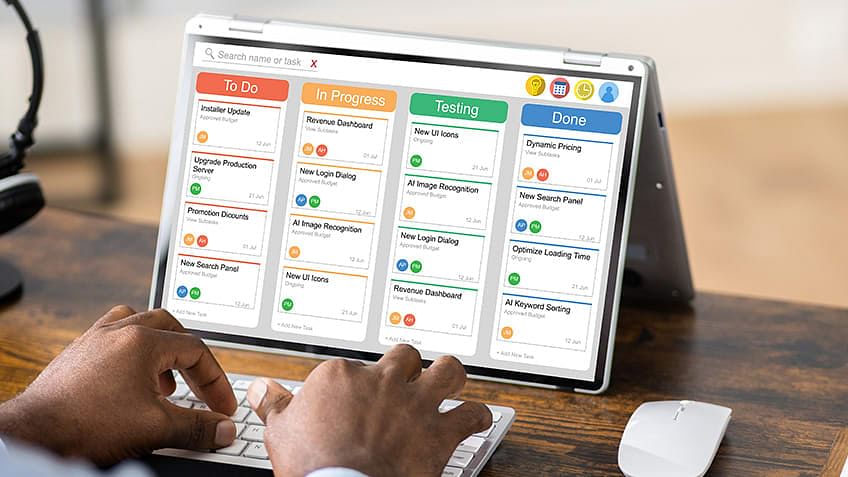
In the world of digital productivity, Asana has emerged as one of the most efficient task management tools. Whether you are handling personal to-dos or managing large-scale team projects, Asana offers an intuitive platform that simplifies workflow organization. Companies like Tens Web Marketing.com and numerous other enterprises rely on Asana to streamline their daily operations, boost efficiency, and enhance collaboration.
Table of Contents
Why Use Asana for Task Management?
Asana provides a structured yet flexible approach to managing tasks. Unlike traditional to-do lists, this platform allows users to create, assign, and track progress in real time. Here are some compelling reasons why Asana is a top choice:
1. Easy Task Creation and Organization
Asana enables users to break down projects into manageable tasks and subtasks. Each task can be assigned to specific team members with due dates, priority levels, and dependencies, ensuring smooth workflow progression. This feature helps in maintaining accountability and prevents work from falling through the cracks.
2. Customizable Views and Layouts
Users can choose from multiple viewing options, including lists, boards, timelines, and calendars. The flexibility in visualization allows teams to track progress in a way that best suits their workflow. For example, Kanban-style boards are great for agile project management, while timelines help in planning long-term projects effectively.
3. Seamless Collaboration and Communication
One of Asana’s most significant advantages is its ability to foster collaboration. Team members can comment on tasks, share files, and tag colleagues for instant updates. This reduces reliance on external communication tools like emails, ensuring all project-related discussions remain centralized.
4. Integration with Other Tools
Asana supports integration with various third-party applications, including Slack, Google Drive, Microsoft Teams, and Zoom. These integrations enhance productivity by allowing users to access all necessary tools within a single platform, reducing the need to switch between different apps.
5. Automation for Increased Efficiency
With Asana’s automation features, repetitive tasks can be automated, saving time and reducing manual errors. Users can set up rules to trigger specific actions, such as moving tasks to different sections based on progress or sending notifications when a deadline approaches.
Asana for Teams vs. Individual Users
While Asana is commonly used by teams, individual users can also leverage its capabilities for personal task management. The free version provides enough features for solo professionals to organize their daily workload, while premium plans offer advanced functionalities tailored for businesses and large teams.
How Asana Enhances Productivity?
- Clear Prioritization: Users can set priority levels, ensuring important tasks receive the necessary attention.
- Deadline Tracking: The due date feature helps users stay on schedule and meet deadlines without last-minute rushes.
- Transparency and Accountability: Managers can track progress and ensure tasks are completed efficiently.
- Time-Saving Automation: Reducing manual work enhances overall productivity.
- Real-time Updates: Immediate notifications ensure team members stay informed.
Final Thoughts
Asana stands out as a robust and efficient task management solution for individuals and businesses alike. Whether you are a freelancer looking to organize personal projects or a large organization aiming to improve teamwork and efficiency, Asana has the tools to cater to your needs. With its user-friendly interface, powerful integrations, and automation capabilities, Asana ensures that managing tasks becomes seamless and stress-free. By adopting Asana, you can enhance productivity, improve collaboration, and achieve your goals efficiently.

